RuralFintechChallenge
Bringing financial innovation to places it hadn't reached before.
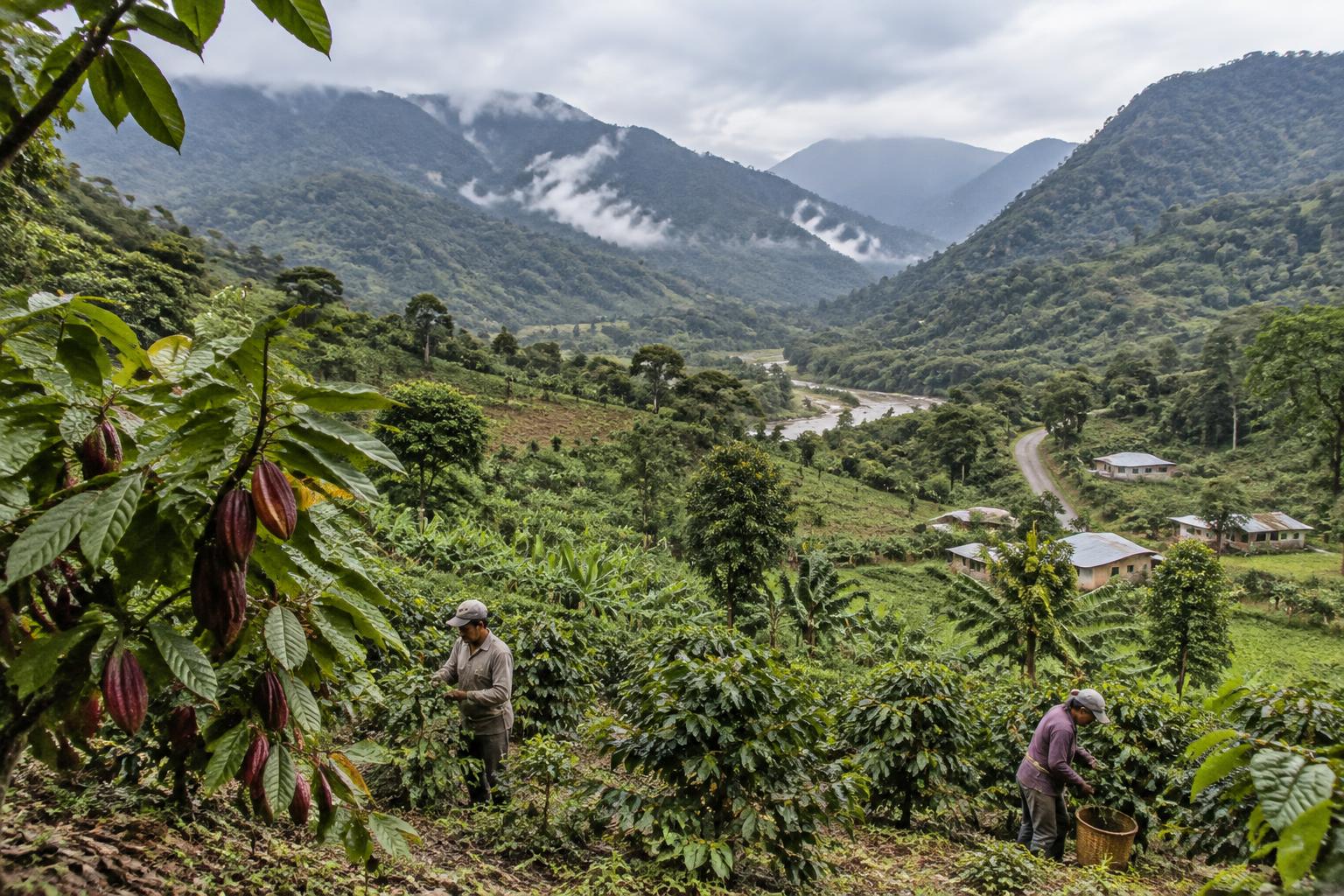
It started with...
A challenge that didn't fit the existing model.
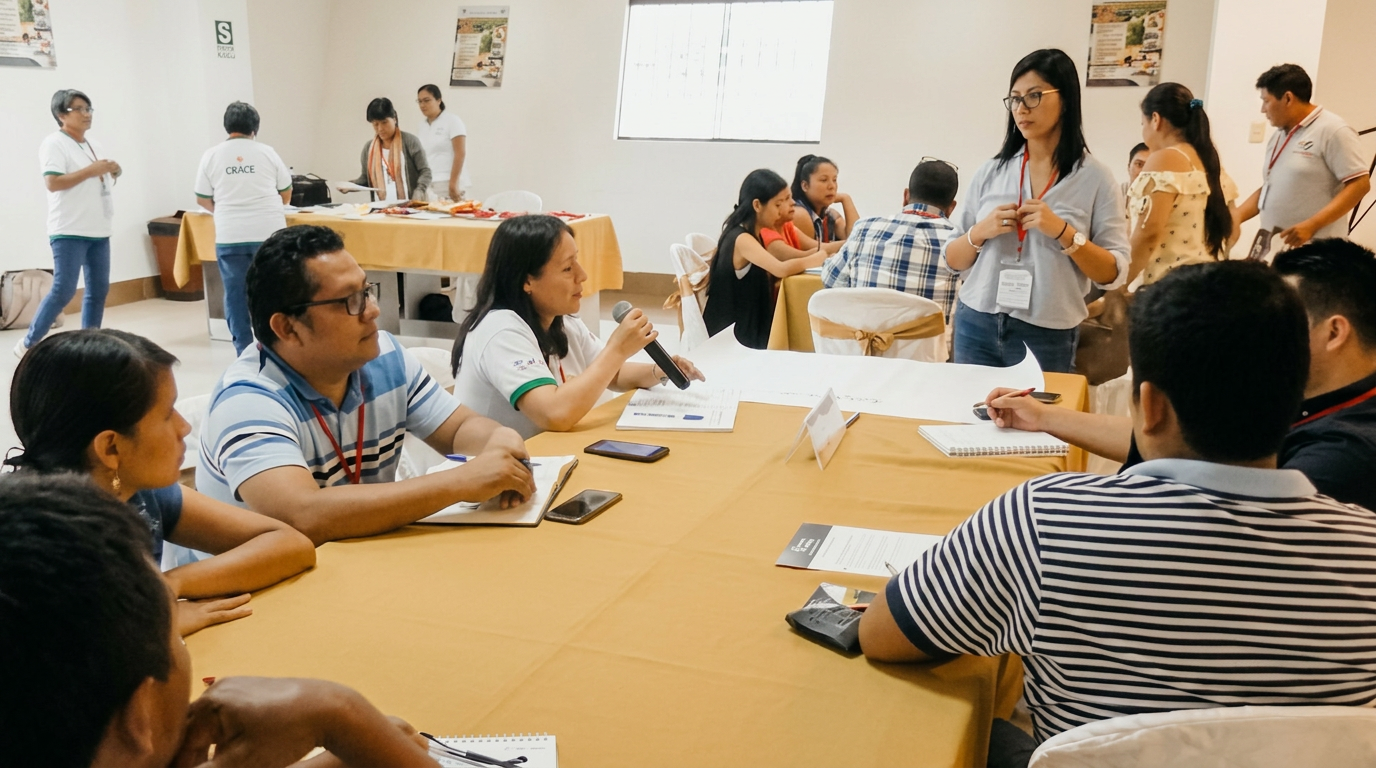
I had just joined Emprende UP when the opportunity arrived.
Until then, much of our work with startups had focused on helping them grow. This challenge reversed the question: instead of creating or incubating new ventures, could we find existing solutions with potential for rural communities and create the conditions for them to work there?
There was no playbook for that.
When the opportunity needed someone willing to take it on, I stepped in.
The challenge went far beyond bringing technology into rural communities with limited access.
Startups would have to enter an unfamiliar context, understand rural users, adapt their solutions and test them in the field.
Technology alone wouldn't be enough.
Around them, we also had to create access and trust: users willing to experiment, producer organizations that could open doors, financial institutions willing to collaborate, and partners that could help the work continue.
What I did
I helped turn the idea into something that could actually work.
Build the program
Structured the path from startup selection to field learning.
Build the ecosystem
Connected the people and institutions needed around the solutions.
Keep it moving
Turned learning into decisions, follow-up and next steps.
- Rural innovation
- Program design
- Ecosystem building
- Stakeholder collaboration
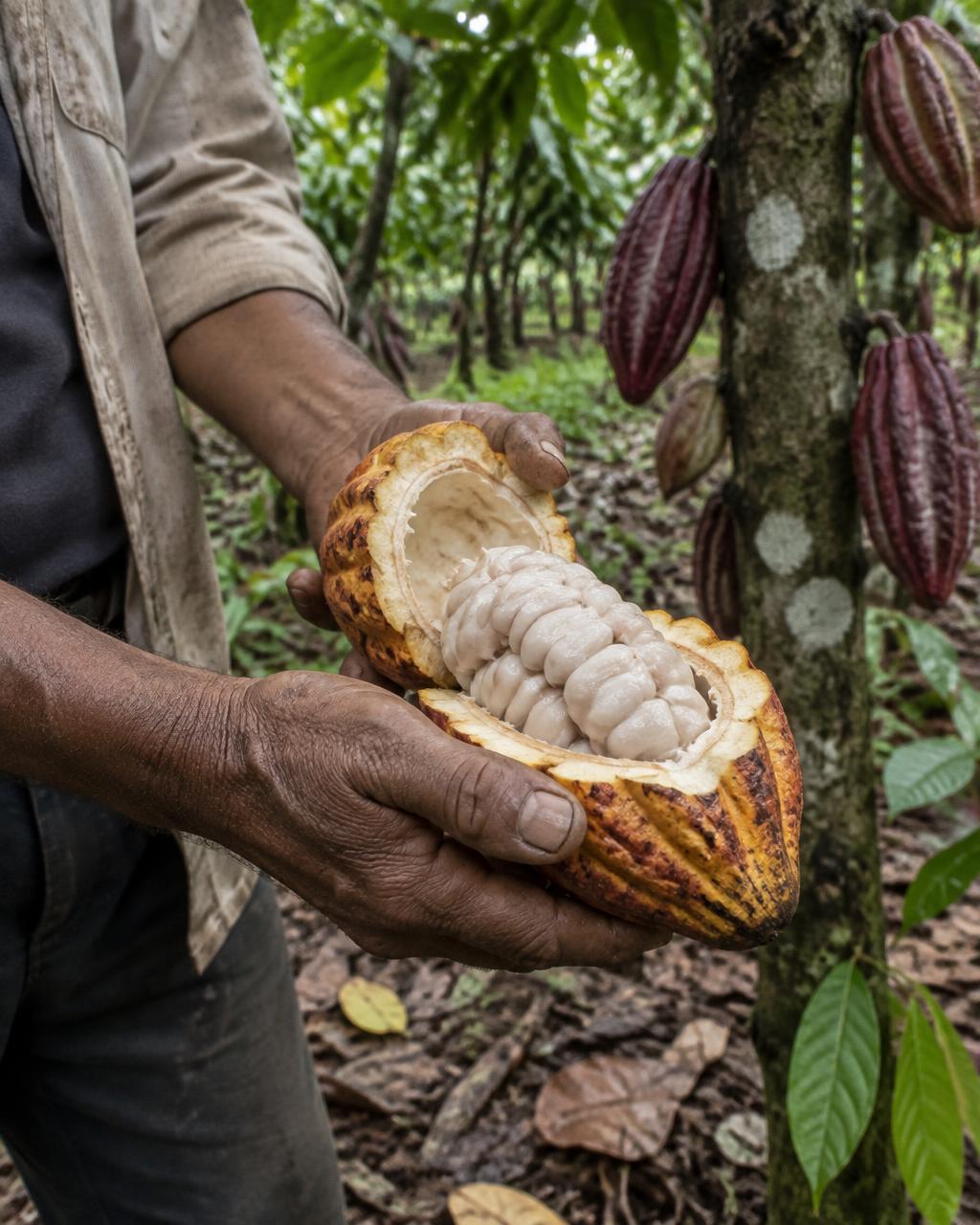
What it made possible
10 of 12
Startups launched rural pilots
Participating teams developed and began testing financial and digital solutions in the program's target regions.
230
Women entrepreneurs reached
Forty-six lending groups received financing, with 55% of participants entering the financial system for the first time.
≈ $35,800
In loans disbursed
Group-lending pilots demonstrated how digital financial products could reach entrepreneurs in rural communities.
S/139,500
≈ $22,200
In working capital placed
Financing supported local suppliers and agricultural activities in Huánuco.
S/86,500
66
Cooperatives mapped
The program contacted 46 cooperatives, initiated discussions with 10, and supported two agreements involving approximately 940 coffee and cacao producers.
Beyond the pilots
Solutions continued to expand
At least four participating teams applied their products, partnerships or learnings in new regions, markets or value chains after their initial implementation.
Sometimes the most important thing you design isn't the product. It's the system around it that gives the product a chance to work.
A good solution isn't enough. It needs context, trust, relationships and people willing to make room for something new.
Project gallery
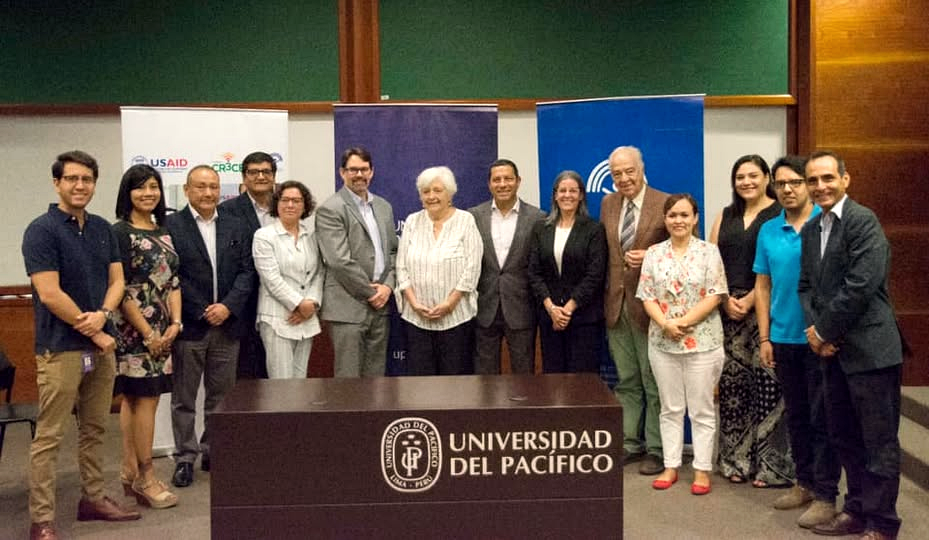
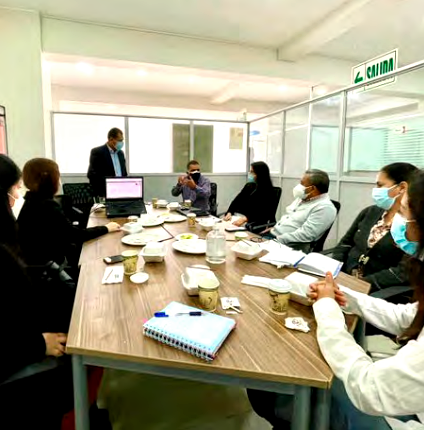
A few moments from the 22 months of collaboration, experimentation and field work behind the Challenge.
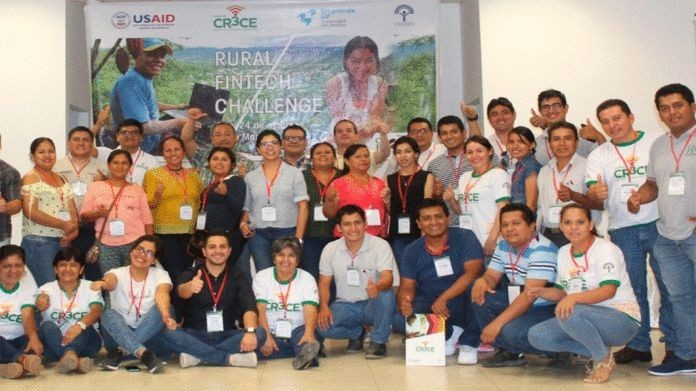
Public project materials
Additional public information about the Rural Fintech Challenge, its participants and outcomes.